
Nothing is more disappointing than pulling out a fresh batch of cookies only to find they turned rock-hard, soggy, or completely stale overnight. Fortunately, knowing how to store homemade cookies comes down to just a few simple dos and don'ts. Whether you want to keep chewy cookies soft, biscotti crisp, or your holiday baking fresh for days, here is everything you need to protect every batch.
Jump to:
- 🎄 Why Cookie Storage Matters (Especially For The Holidays)
- 🍪The Best Way to Store Cookies to Keep Them Fresh
- 👍The Dos of Storing Homemade Cookies
- 👎The Don'ts of Storing Homemade Cookies
- 🤔How Long Do Homemade Cookies Last?
- ❄️How to Freeze Baked Cookies
- 🍞How to Keep Cookies Soft: The Bread Trick
- 🔄 How To Crisp Up Soggy Cookies (Or Soften Hard Ones)
- 🍪Storing My Favorite Cookies and Bars
- ❓Homemade Cookie Storage FAQ
- ✅Final Thoughts
- 💬 Comments
🎄 Why Cookie Storage Matters (Especially For The Holidays)
During the holiday baking season, proper cookie storage is truly half the battle. When you're juggling three or four different cookie sheets, cooling racks covering every square inch of counter space, and tins waiting to be filled for gift boxes or cookie exchanges, timing is everything. Baking in batches ahead of time only works if those cookies still taste just as buttery, soft, or crisp as the moment they came out of the oven.
However, keeping treats at their best isn't just a seasonal trick for December trays. Whether you're prepping for a busy holiday week, packing weekend lunchbox surprises, or just saving half a dozen chocolate chip cookies for a quiet evening treat, mastering storage keeps every batch tasting bakery-fresh all year long.

🍪The Best Way to Store Cookies to Keep Them Fresh
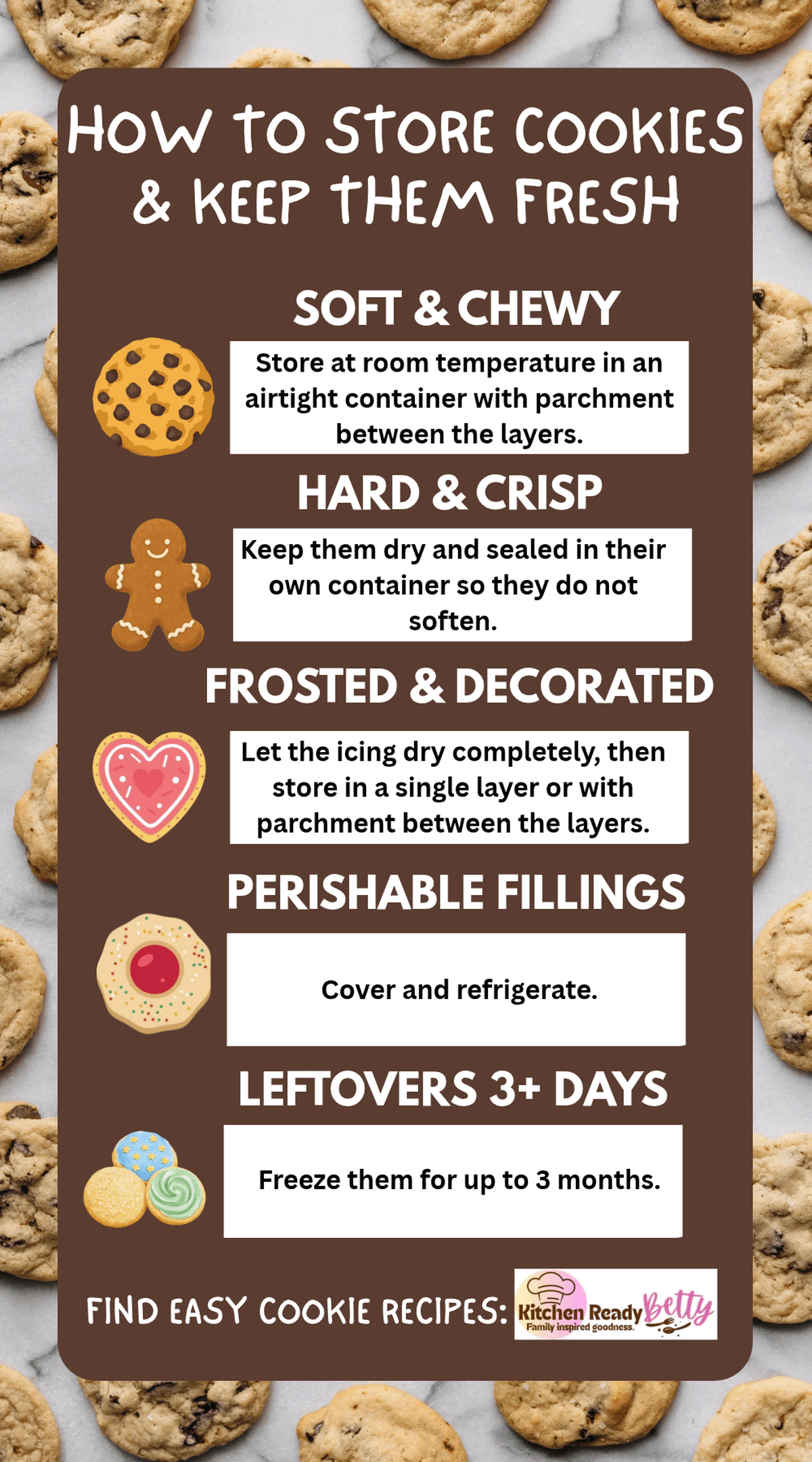
The best way to store cookies depends on the type of cookie, but every batch starts the same way: cool completely, then seal in an airtight container away from heat. From there, match the method to the cookie:
- Soft and chewy cookies: Like chocolate chip, oatmeal, and peanut butter. Store at room temperature in an airtight container with parchment between the layers.
- Crisp cookies: Like shortbread, gingersnaps, and biscotti. Keep them dry and sealed in their own container so they do not soften.
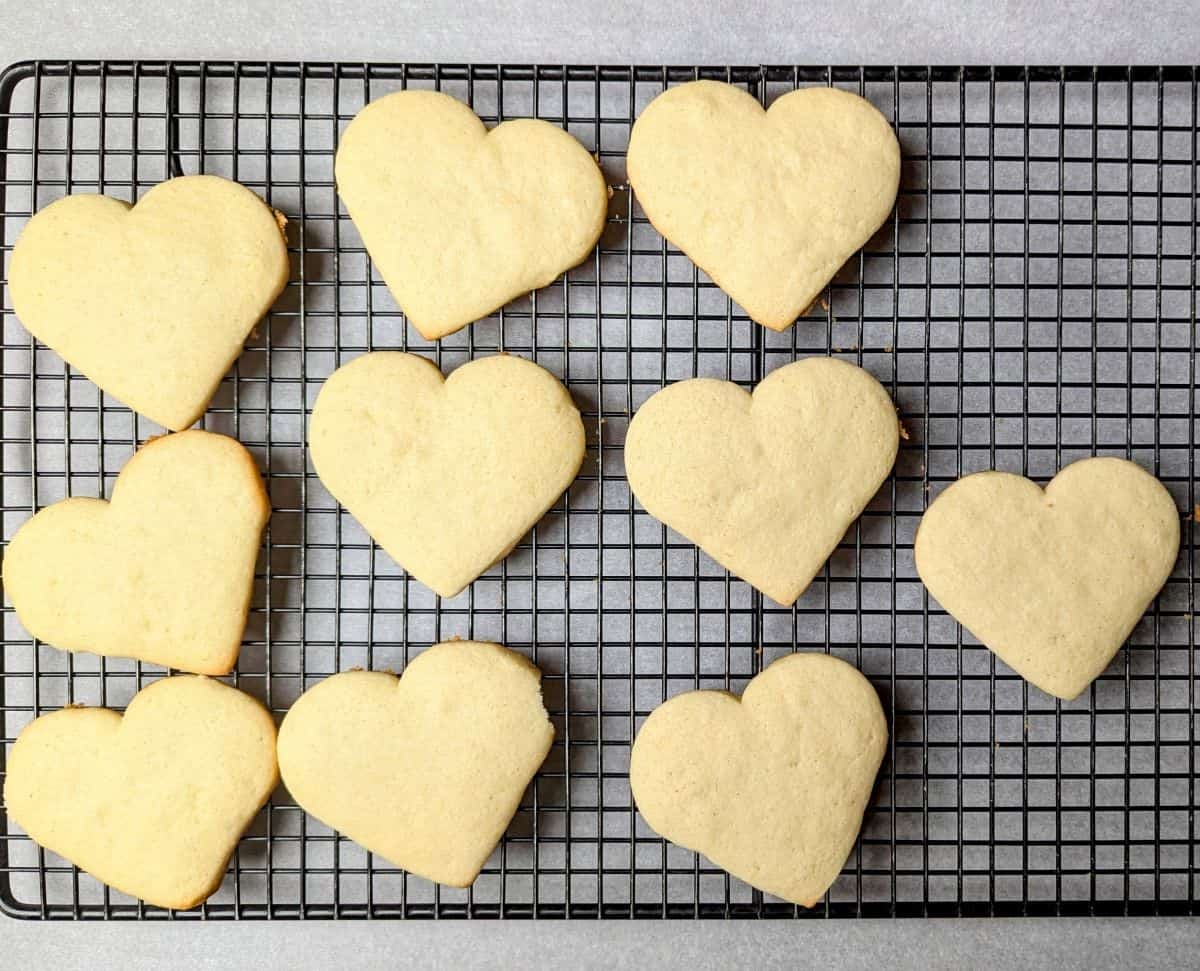
- Frosted or decorated cookies: Let the icing dry completely, then store in a single layer or with parchment between the layers.
- Cookies with cream cheese or other perishable fillings: Cover and refrigerate.
- Extras you will not eat in a few days: Freeze them for up to 3 months.
👍The Dos of Storing Homemade Cookies
- Cool them completely. Warm cookies trap steam in the container, which makes crisp cookies soggy and soft cookies sticky.
- Use an airtight container. A tin with a tight lid, a sealed glass container, or a zip-top bag keeps moisture from escaping or sneaking in.
- Keep soft and crisp cookies apart. Different textures trade moisture, which softens crisp cookies and dries out soft ones.
- Layer with parchment. Paper between the layers stops cookies from sticking together and protects any decorations.
- Store them in a cool, dry spot. A pantry or cupboard works well, away from the stove, sunny windows, and other heat.
- Label the container with the date. It is easy to lose track of what you baked when, especially during holiday baking.
- Freeze the extras right away. If you will not finish them in a few days, freeze them while they are still fresh.
👎The Don'ts of Storing Homemade Cookies
- Don't seal warm cookies. Trapped steam turns into moisture, and moisture ruins texture.
- Don't refrigerate most cookies. The cold, dry air in the fridge can dry out soft cookies, and the moisture can make crisp cookies go soft. The exception is cookies with perishable ingredients like cream cheese.
- Don't mix textures or strong flavors. Strong flavors like peppermint or ginger can transfer to milder cookies in the same container.
- Don't stack frosted cookies too soon. Let the icing dry completely, which can take hours, then store them in a single layer or with parchment between layers.
- Don't leave cream cheese treats out. Cheesecake bars and cookies with cream cheese frosting should be refrigerated, and they should not sit out for more than 2 hours.
- Don't leave cookies uncovered. Even a few hours in the open air can start to dry them out.

🤔How Long Do Homemade Cookies Last?
- Soft and chewy cookies: 3 to 5 days at room temperature in an airtight container.
- Crisp cookies: Up to about 5 days at room temperature, as long as they stay dry and sealed.
- Bars and brownies: 3 to 5 days at room temperature, covered.
- Cookies and bars with cream cheese: About 3 to 4 days in the fridge.
- Baked cookies in the freezer: Up to 3 months.
These are general guidelines. If your recipe gives its own storage instructions, follow those.
❄️How to Freeze Baked Cookies
- Let the cookies cool completely.
- Freeze them in a single layer on a baking sheet for about an hour, so they do not stick together.
- Move them to an airtight container or freezer bag with parchment between the layers, and press out any extra air.
- Label the container with the name and date, and freeze for up to 3 months.
- Thaw at room temperature. If crisp cookies seem soft afterward, refresh them in a 300°F oven for about 5 minutes.
Many cookie doughs also freeze for up to 3 months, so check your recipe. Freezing the dough is a great way to bake a fresh batch whenever you want one.
🍞How to Keep Cookies Soft: The Bread Trick
If your soft cookies are starting to lose their chewy texture, the classic bread trick works wonders:
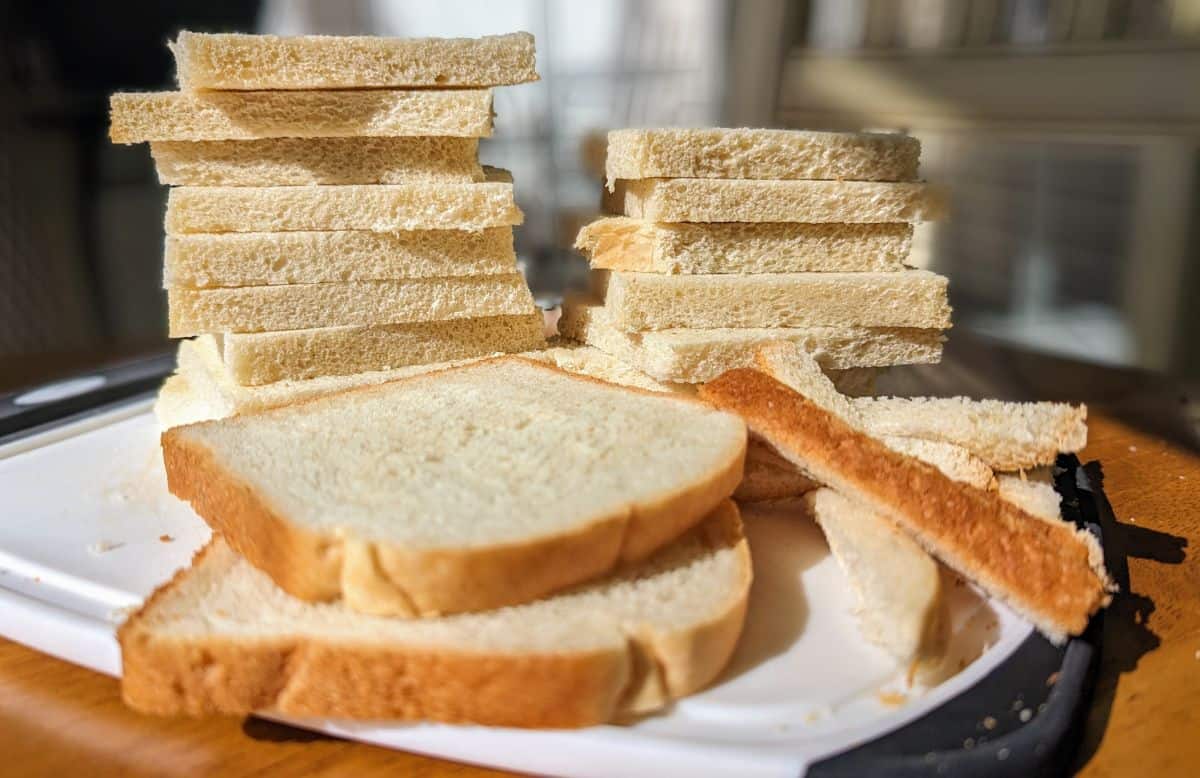
- How it works: Place a piece of bread inside the airtight container with your cookies. The sugar in the cookies naturally pulls moisture from the bread, softening them up within a few hours.
- The best bread to use: Stick with plain white sandwich bread. It provides plenty of moisture and has a completely neutral flavor. Avoid breads with strong scents or distinct flavors (like sourdough, rye, or cinnamon raisin), or your cookies will end up tasting like them.
- When to replace it: Check the bread daily. Once the slice feels hard, brittle, or completely dried out, discard it and replace it with a fresh piece. Always remove or replace the bread within 1 to 2 days to prevent any mold from forming.
(Note: Never use this trick with crisp cookies, as the extra moisture will make them soft and soggy.)
🔄 How To Crisp Up Soggy Cookies (Or Soften Hard Ones)
To restore crisp cookies (biscotti, gingersnaps, shortbread): Preheat your oven to 300°F (150°C). Place the softened cookies on an ungreased baking sheet and bake for 3 to 5 minutes. Let them cool completely on a wire rack. They will crisp back up as they cool.
To soften hard cookies quickly (unfrosted, for immediate eating): Wrap a cookie in a slightly damp paper towel and microwave on medium power for 5 to 10 seconds. Enjoy right away.

🍪Storing My Favorite Cookies and Bars
Here are a few examples of how to put these tips to work:
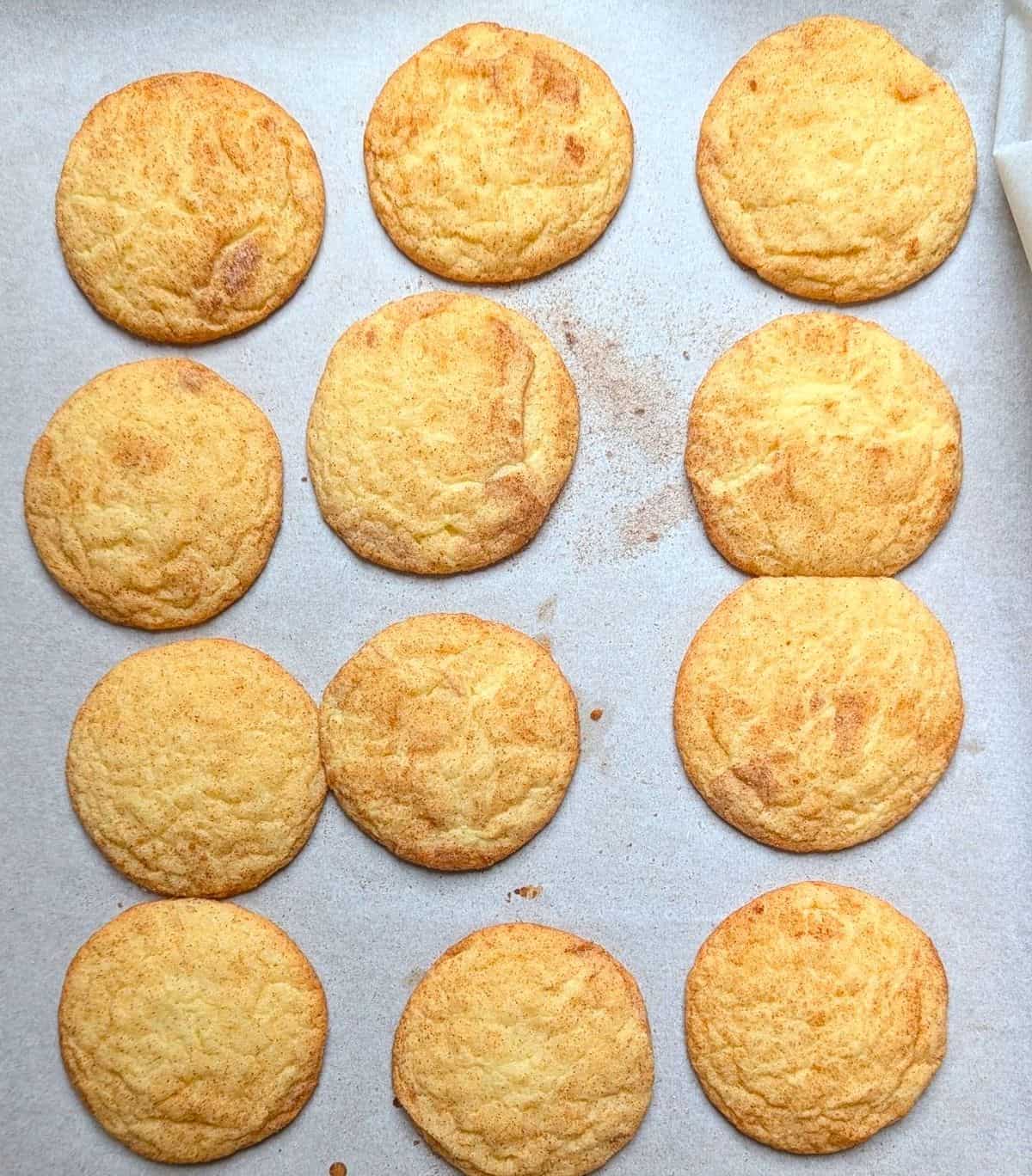
- Snickerdoodle Cake Mix Cookies: These are soft and chewy, so keep them in an airtight container at room temperature.
- Christmas Butter Cookies: These are frosted, so make sure the icing has dried completely. Then store them in a single layer, or between layers of parchment paper.
- Chocolate Peanut Butter Cheesecake Bars: These have cream cheese, so keep them covered in the fridge.
- Peanut Clusters: These are chewy and sticky. Wrap them individually in parchment paper, or store between layers of parchment paper and place in an airtight container. If you still have some after 3-4 days, freeze them.
You can find more recipes in my Cookies and Bars Recipes collection.
❓Homemade Cookie Storage FAQ
Most homemade cookies should not be refrigerated. The cold, dry air in a refrigerator rapidly pulls out moisture, turning soft cookies dry and making crisp cookies lose their crunch. Only refrigerate cookies that contain perishable dairy fillings or toppings, such as cream cheese frosting, cheesecake layers, or custard.
Yes, Ziploc bags work well for short-term cookie storage as long as you press out all excess air before sealing. For standard room-temperature storage up to a few days, regular zip-top storage bags are fine. If you plan to freeze cookies, use thicker freezer-grade bags to prevent freezer burn and protect their texture.
The best containers are airtight food storage containers with silicone-gasket lids (such as glass snap-lock or BPA-free plastic bins) and classic metal cookie tins with tight seals. For delicate, frosted, or soft cookies, shallow, wide containers are ideal because they allow you to store cookies in single layers separated by parchment paper without squishing them.
Both work well as long as the seal is completely airtight. Glass containers with locking silicone-gasket lids provide an odor-free, non-porous barrier that will not absorb butter or spices. BPA-free plastic containers are lightweight and great for stacking, but ensure the lid snaps shut tightly.
Yes, but wait until the icing has hardened completely (typically 8 to 12 hours for royal icing). Flash-freeze them on a flat baking sheet for 1 hour until solid, then pack them in a rigid, flat container separated by wax or parchment paper. When ready to serve, thaw them in the container at room temperature before opening the lid to prevent condensation from spotting the icing.
Bakeries keep cookies fresh by controlling moisture exposure, cooling every batch completely before packaging, and storing them in airtight, food-grade containers or individually heat-sealed bags. Many bakeries also bake cookies daily in smaller batches and freeze unbaked dough portions rather than letting baked cookies sit on display.
✅Final Thoughts
Good cookie storage is simple: cool them completely, seal them well, keep the textures separate, and freeze whatever you cannot finish. Follow these dos and don'ts, and your cookies will taste fresh long after baking day.
What is your best cookie storage tip? Tell me in the comments, because I would love to hear it!
Comments
No Comments