
Knowing how to add cream cheese to soup without curdling is the difference between a silky bowl and a grainy, separated mess. I often use reduced-fat cream cheese instead of heavy cream, especially in the slow cooker, and a few simple tricks keep it smooth. Here is what works, why it works, and how to rescue a pot that has already gone lumpy.
Jump to:
- Why Does Cream Cheese Curdle in Soup?
- Why I Often Use Cream Cheese Instead of Heavy Cream
- How to Add Cream Cheese to Stovetop Soup Without Curdling
- How to Add Cream Cheese to Slow Cooker Soup
- Extra Care for Tomato and Other Acidic Soups
- How To Fix Curdled Cream Cheese in Soup
- Storing and Reheating Soup With Cream Cheese
- Cream Cheese in Soup FAQ
- Cream Cheese Soup Recipes To Try
- Final Thoughts
- 💬 Comments
Why Does Cream Cheese Curdle in Soup?
I have a little secret to confess: I've curdled cream cheese in soup, and I have the photo to prove it! It happened in one of my early recipes, Creamy Chicken Enchilada Soup, made on the stove. I stirred in the cream cheese straight from the fridge, and flecks showed up everywhere! The horror😱!
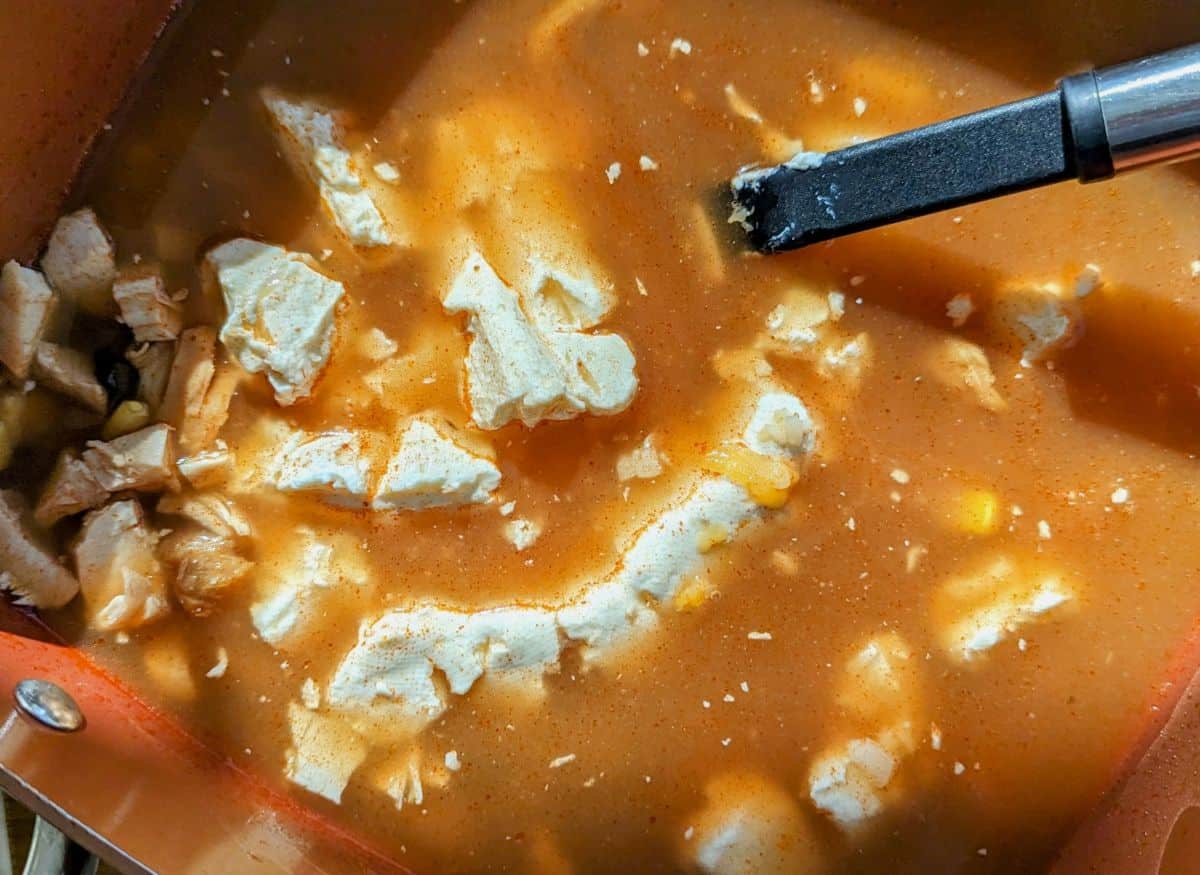
Needless to say, I've learned a lot from my mistakes. Now I always soften cream cheese to room temperature first and whisk it with a little hot broth before it goes in the pot. (I also do a lot more, so keep reading 😁.)
So Why Does This Happen?
Cream cheese is made of milk proteins and fat. When it gets too hot too fast, or meets a lot of acid, those proteins tighten and clump together (seize), squeezing out fat and liquid. That, dear reader, is what turns a creamy broth into a grainy, speckled and unattractive, curdled one.
A few other things make it more likely:
- High heat: Dropping cream cheese into boiling or rapidly bubbling soup is the most common cause.
- Cold cream cheese: Cold cream cheese hitting hot broth is a shock, and it tends to stay in stubborn lumps.
- Acidic ingredients: Tomatoes, wine, vinegar, and lemon juice make dairy more likely to separate.
- Long cooking times: The longer cream cheese simmers, the more chance it has to break.
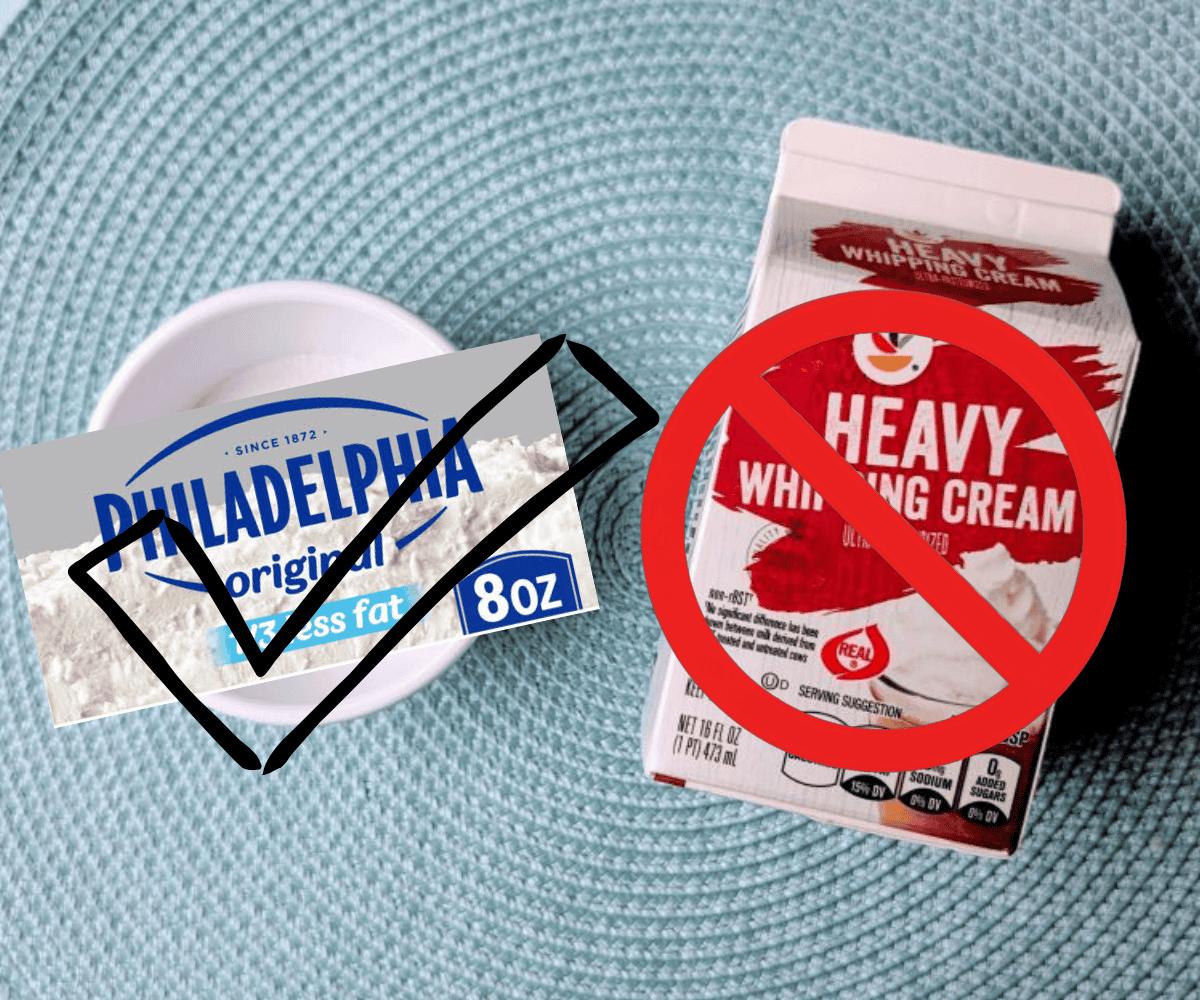
- Whipped or fat-free cream cheese: These tend to be less stable than a regular or reduced-fat block.
Why I Often Use Cream Cheese Instead of Heavy Cream
Cream cheese is one of my favorite shortcuts for creamy soup. I often use reduced-fat cream cheese bricks, which have about half the fat of heavy cream and fewer calories.
Despite what you might read elshewere, reduced fat cream cheese can be tempered effectively without any curdling when you do it right. Cream cheese also thickens as it melts, so the soup turns rich and a little tangy without the need for extra flour or cornstarch.
It also works well in the slow cooker, where cream added at the start can separate after hours of cooking. In my Crockpot Chicken Chili, reduced fat cream cheese helps give the broth its rich, creamy texture, without lumps, clumps, or any other drama.

How to Add Cream Cheese to Stovetop Soup Without Curdling
- Start with softened cream cheese. Use a block, regular or reduced-fat, rather than a whipped tub. Let it sit on the counter for about 30-60 minutes. In a hurry? Cut it into small cubes, since they soften faster. You can also microwave the cream cheese for 30 seconds. Make sure to remove the foil wrapper first and place it in a microwave safe bowl, covered loosely with platic wrap.
- Lower the heat. Turn the burner to low or take the pot off the heat so the soup is below a simmer.
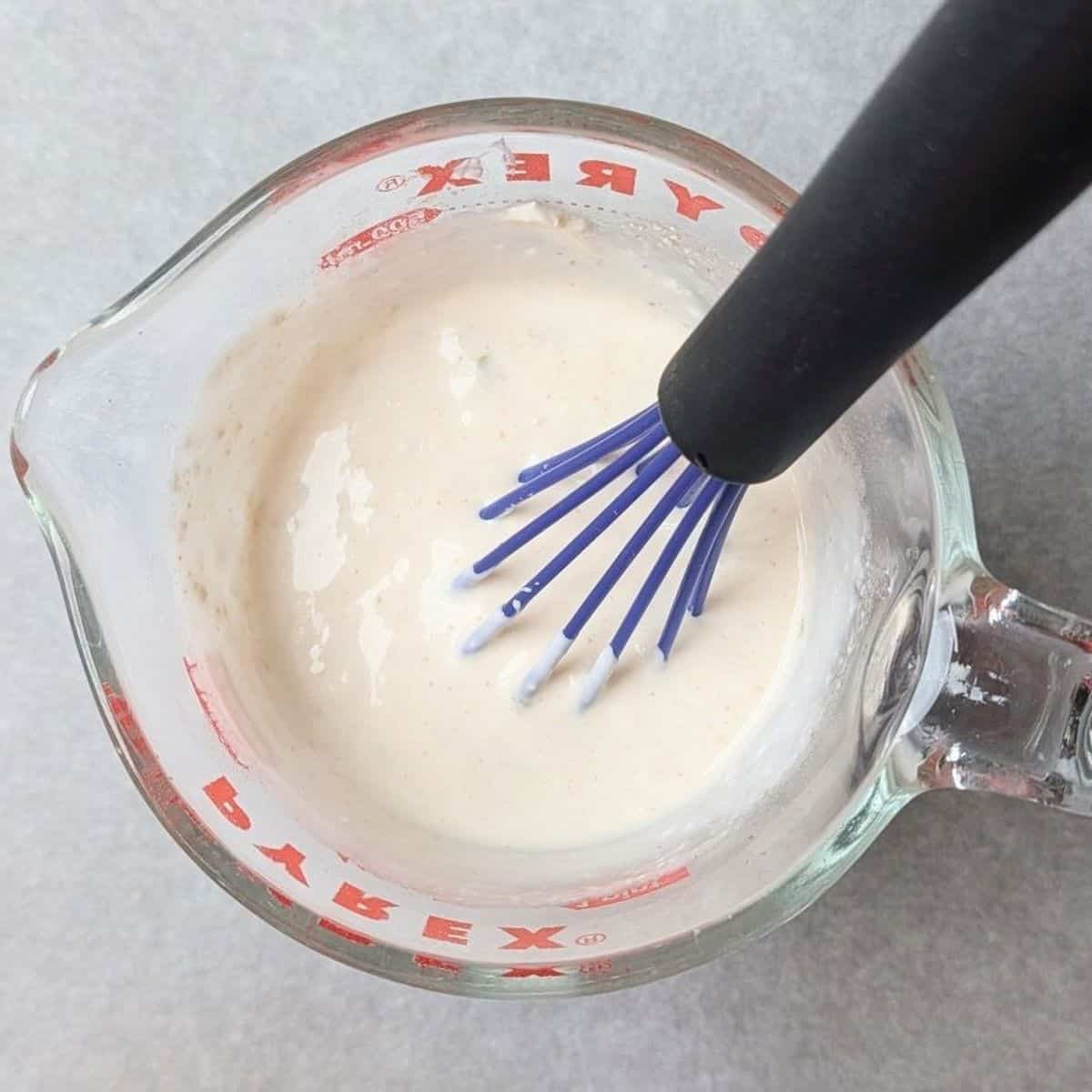
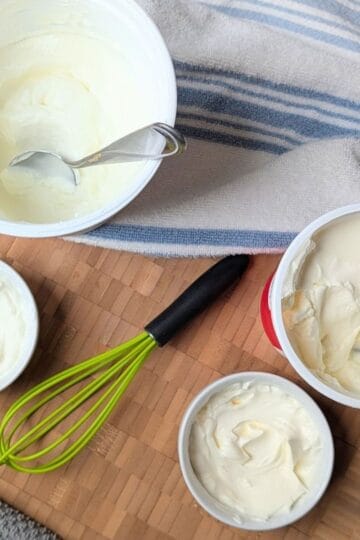
- Make a smooth slurry first. Put the softened cream cheese in a bowl, ladle in about ½ cup of hot broth, and whisk until smooth. This gently warms it up so it doesn't shock.
- Stir it in gradually. Pour the mixture into the pot a little at a time, stirring between additions.
- Heat gently. Warm the soup over low heat, stirring frequently, until it's hot. Avoid letting it boil once the cream cheese is in.

Quick tip: For an extra-smooth soup, blend the cream cheese with a little warm broth in a blender, food processor, or with an immersion blender before stirring it back in.
As a starting point, try about 4 ounces (half a block) for a pot that serves 4 to 6. Taste, then add more if you want it creamier.
How to Add Cream Cheese to Slow Cooker Soup
The slow cooker is where cream cheese can go wrong, because the soup stays hot for hours. The fix is in the timing and prep (and of course, following my advice 😁). Cook the soup as directed, and save the cream cheese for the end. Most of the time, I turn the slow cooker up to high when I add it, and it works well as long as the other steps are followed.
- Let the soup finish cooking, then turn the slow cooker to high if it isn't already (unless the recipe has clearly stated why you shouldn't).
- Soften the cream cheese, then whisk it in a bowl with a ladle of hot broth from the crock until smooth.
- Stir the mixture into the soup, a little at a time.
- Cover and let it heat through on high for 15 to 30 minutes, stirring once or twice, until the soup is creamy and hot.

Once the soup is creamy and hot, turn the slow cooker to low or warm so the cream cheese doesn't sit on high for hours.
Extra Care for Tomato and Other Acidic Soups
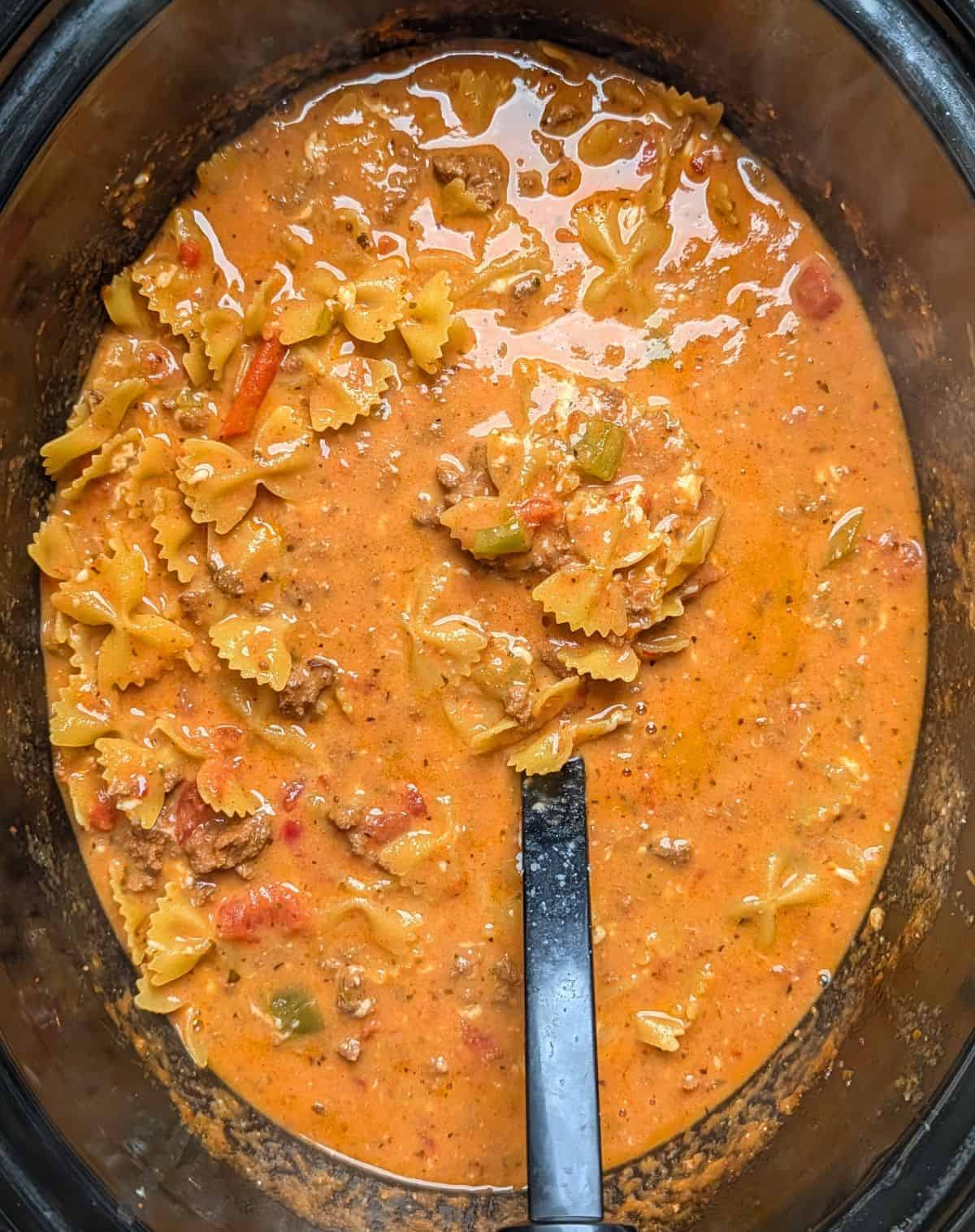
Tomato-based soups, like Lasagna Soup pictured below, are the trickiest. That's because acid makes dairy more likely to separate. Add the cream cheese last. Temper it a little more slowly, and stir it in a spoonful at a time. A full-fat block can help more in this type of soup, since it won't break down as quickly.
My Lemon Chicken Orzo Soup as written doesn't contain any cream or cheese. If I wanted to try a creamy version, I would reach for full fat cream cheese to mix with some of the warm broth at the end. That's because lemon juice is far more acidic than tomatoes, and I wouldn't want to take the chance of it curdling!
How To Fix Curdled Cream Cheese in Soup
If it happens on the stove, take the pot off the heat and whisk hard. You can also use an immersion blender directly in the pot for a few quick pulses. If it happens in the slow cooker, turn it off or switch it to warm so the soup stops cooking. Then whisk firmly right in the crock or use an immersion blender.
No immersion blender? Ladle some of the soup into a regular blender (vent the lid) or food processor, blend carefully in small batches, and stir it back in.
Prevention is easier, so soften and temper next time and learn from your mistakes. (Remember my enchilada soup story from above?)
Storing and Reheating Soup With Cream Cheese
Cool the soup completely, then refrigerate it in an airtight container for 3 to 4 days. Reheat it gently on the stove over low heat, stirring often, instead of boiling it or microwaving it on high.
Cream cheese soups can turn a little grainy after freezing and thawing. If you plan to freeze an entire batch, consider freezing the soup without the cream cheese and stirring it in when you reheat. If it's already in there, whisk or blend the soup after reheating to smooth it out.
Cream Cheese in Soup FAQ
Soften the cream cheese first, then whisk it with a ladle of hot broth until smooth before stirring it into the pot. Add it near the end of cooking, and avoid letting the soup boil afterward. In the slow cooker, follow the above and stir it in during the last 15 to 30 minutes.
Cut softened cream cheese into cubes, whisk it in a bowl with a little hot broth until smooth. Then stir that back into the soup a little at a time. This gently warms it so it blends in instead of clumping.
Cream cheese melts and blends into soup when it's soft and whisked in. If it's cold or added in one big piece, it can stay in lumps. Cubing it, softening it, and whisking it with warm broth, or blending it, gets it smooth.
Cream cheese that curdles from heat or acid is a texture problem, and the soup is usually still fine to eat. It's different from spoiled dairy. If the cream cheese was past its date, smells sour or off, or the soup sat out too long, toss it.
A block usually softens in about 30-60 minutes at room temperature, and cutting it into small cubes speeds it up. Don't leave it out for more than 2 hours.
Brand matters less than the type. Look for plain block-style cream cheese rather than whipped or spreadable tubs. Skip fat-free versions, which are more likely to turn grainy. I mainly use reduced-fat bricks in my soups, and Philadelphia brand works well for me.
Cream Cheese Soup Recipes To Try
- One Pot Creamy Chicken Enchilada Soup
- Crockpot Chicken Enchilada Soup
- Mexican Street Corn Soup
- Crockpot Lasagna Soup
- Crockpot Cream Cheese Chicken Chili
Final Thoughts
Adding cream cheese to soup doesn't have to be scary. Soften it, whisk it with a ladle of hot broth, and stir it in gradually near the end of cooking. That way, your soup will turn out silky instead of grainy. In the slow cooker, turning the heat up to high for the last 15 to 30 minutes works well when those steps are followed. Try it in your next pot of soup, and enjoy the creaminess!
Have you ever had cream cheese curdle on you, or do you have a favorite creamy soup to make with it? Tell me in the comments, because I would love to hear your tips and stories!
Comments
No Comments